

Withania somnifera
Root
Botanical
Ashwagandha
A root used in Ayurveda as a rasayana, a class of herbs traditionally given to support strength and recovery.
- Botanical name
- Withania somnifera
- Also known as
- Indian winter cherry
- Part used
- Root
- Evidence
- Systematic review evidence Evidence level 5 of 5
- Key compounds
- Withanolides, including withaferin A and withanolide D, together with alkaloids and saponins.
- Body systems
- Women's health, Vitality and immunity
In tradition
Classical Ayurvedic texts describe ashwagandha as a rejuvenative, traditionally given during convalescence and in older age.
In research
Its withanolides are the constituents studied most often. Clinical trials have examined its effects on perceived stress, sleep quality and physical performance.
Strength of evidence
Systematic review evidence Evidence level 5 of 5Several trials pooled and appraised together. How we grade evidence.
What we know
- Several randomised trials, pooled in meta-analyses, show short-term reductions in self-reported stress and anxiety with standardised root extracts.
What we do not know yet
- Long-term effects beyond about three months, the best extract and dose, and how often adverse reactions occur.
Safety and cautions
Usually well tolerated in trials. Rare cases of liver injury have been reported. Not advised in pregnancy. Seek advice if you have thyroid, autoimmune or liver disease, or take sedatives, thyroid medicines or immunosuppressants.
Regulatory notes
Several European food safety authorities have reviewed ashwagandha. Denmark restricted it in food supplements in 2023, while other countries continue to permit it.
Research and answers
Products that contain it

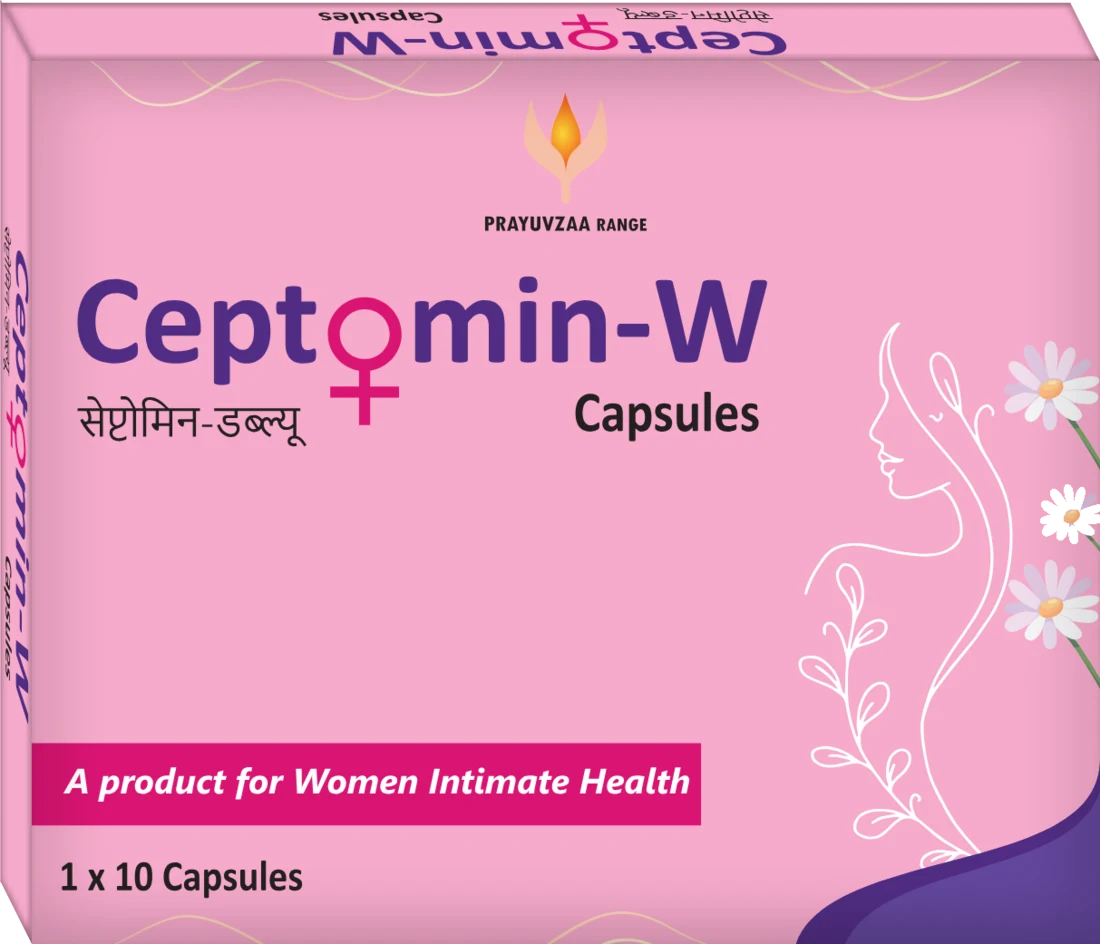
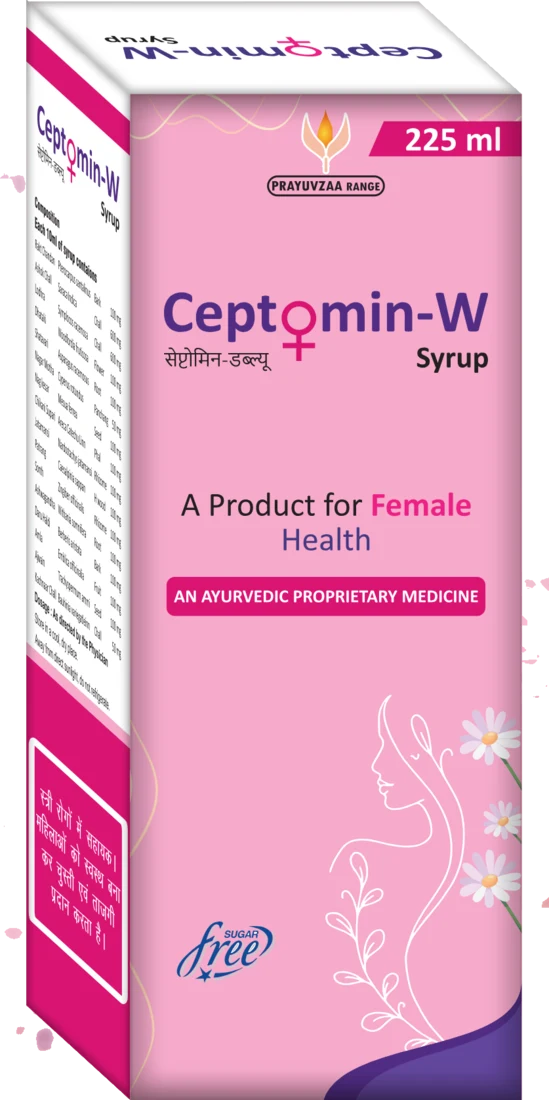
Ingredient pages summarise traditional use and the direction of published research for education. They are not claims about any product and are not medical advice.
Did this answer your question?
Thank you. Your feedback helps us decide what to write next.