

Curcuma longa
Rhizome extract
Botanical
Curcumin
The main active compound of turmeric, the subject of extensive laboratory and clinical research.
- Botanical name
- Curcuma longa
- Also known as
- Turmeric extract, Haldi
- Part used
- Rhizome extract
- Evidence
- Clinical evidence Evidence level 4 of 5
- Key compounds
- Curcuminoids: curcumin, demethoxycurcumin and bisdemethoxycurcumin.
- Body systems
- Nerves, Vitality and immunity
In tradition
Haldi is traditionally used in Ayurveda for the skin, joints and digestion.
In research
Curcumin has been studied in thousands of papers for anti-inflammatory and antioxidant activity. Its absorption is low on its own, which is why it is often paired with piperine.
Strength of evidence
Clinical evidence Evidence level 4 of 5Tested in randomised trials in people, usually small or short. How we grade evidence.
What we know
- Curcumin is poorly absorbed alone. Clinical trials suggest modest benefits for joint pain, with variable quality.
What we do not know yet
- Which formulations deliver meaningful amounts to tissues and whether benefits seen in the laboratory occur in people.
Safety and cautions
Usually well tolerated. Rare liver injury has been reported with high-bioavailability supplements. May increase bleeding risk with anticoagulants. Seek advice if you have gallstones.
Research and answers
Products that contain it
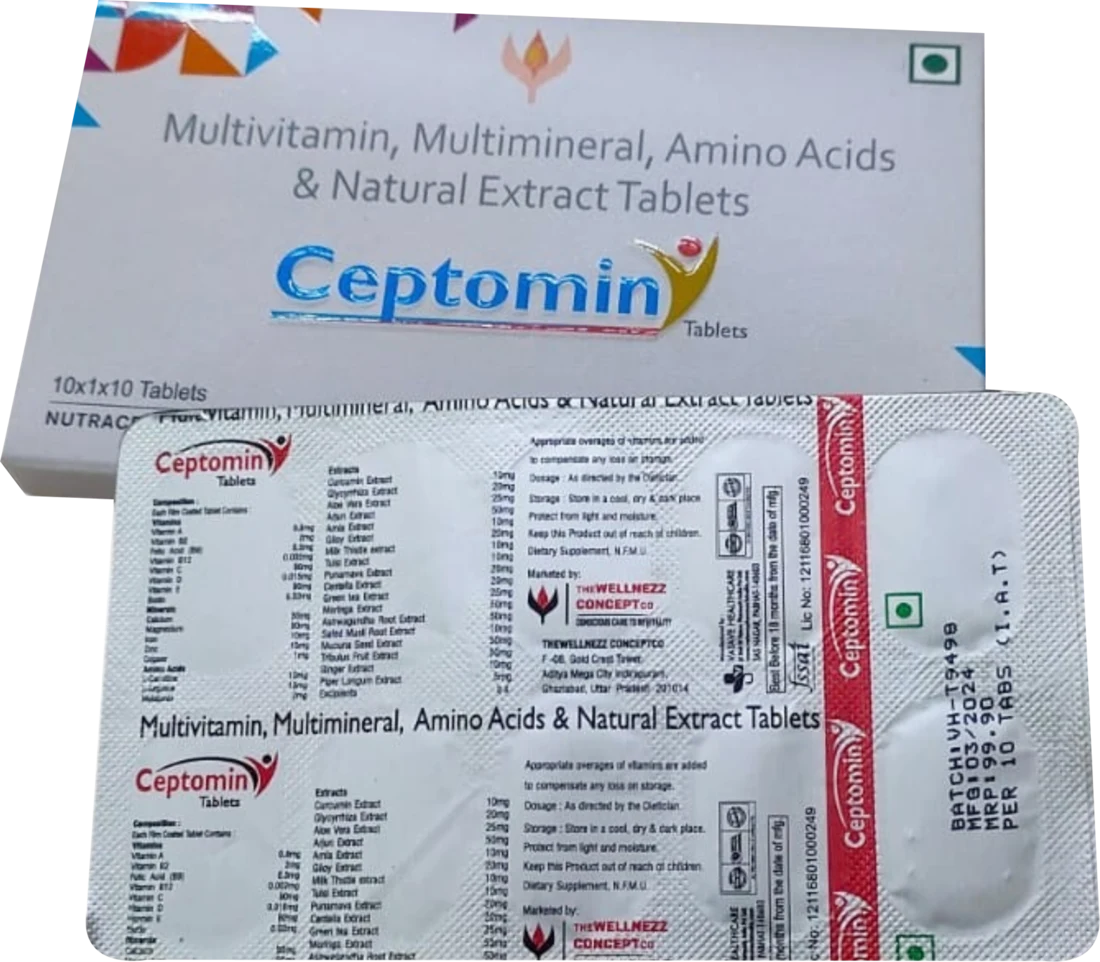
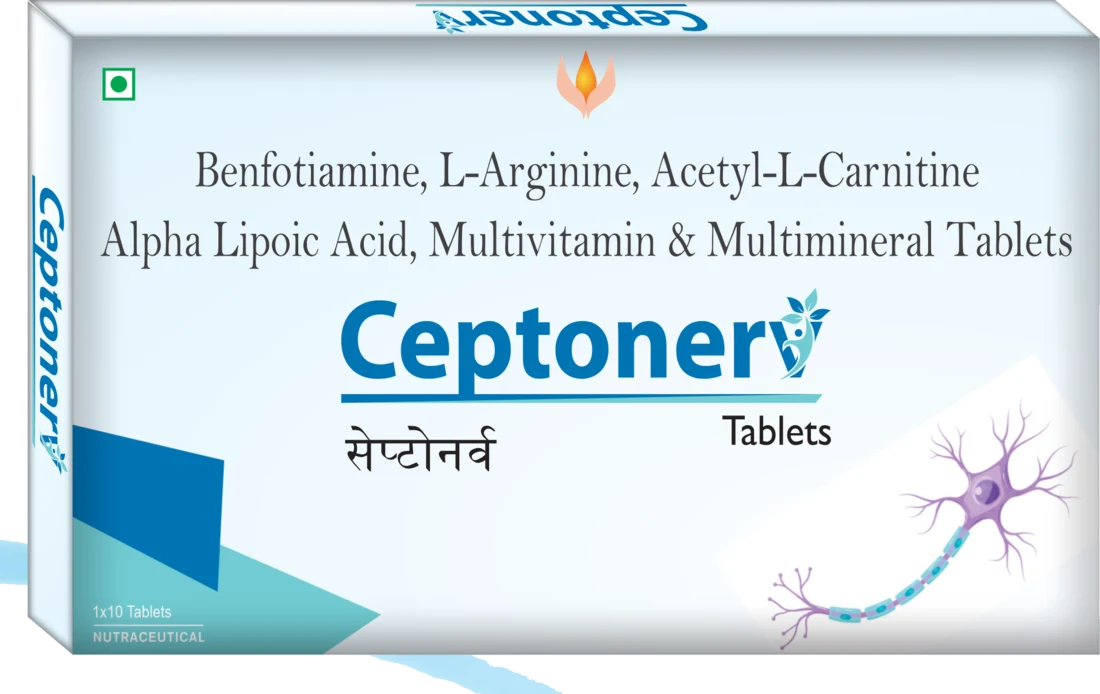
Ingredient pages summarise traditional use and the direction of published research for education. They are not claims about any product and are not medical advice.
Did this answer your question?
Thank you. Your feedback helps us decide what to write next.